Hollywood and the Big Screen: A Renewed Commitment
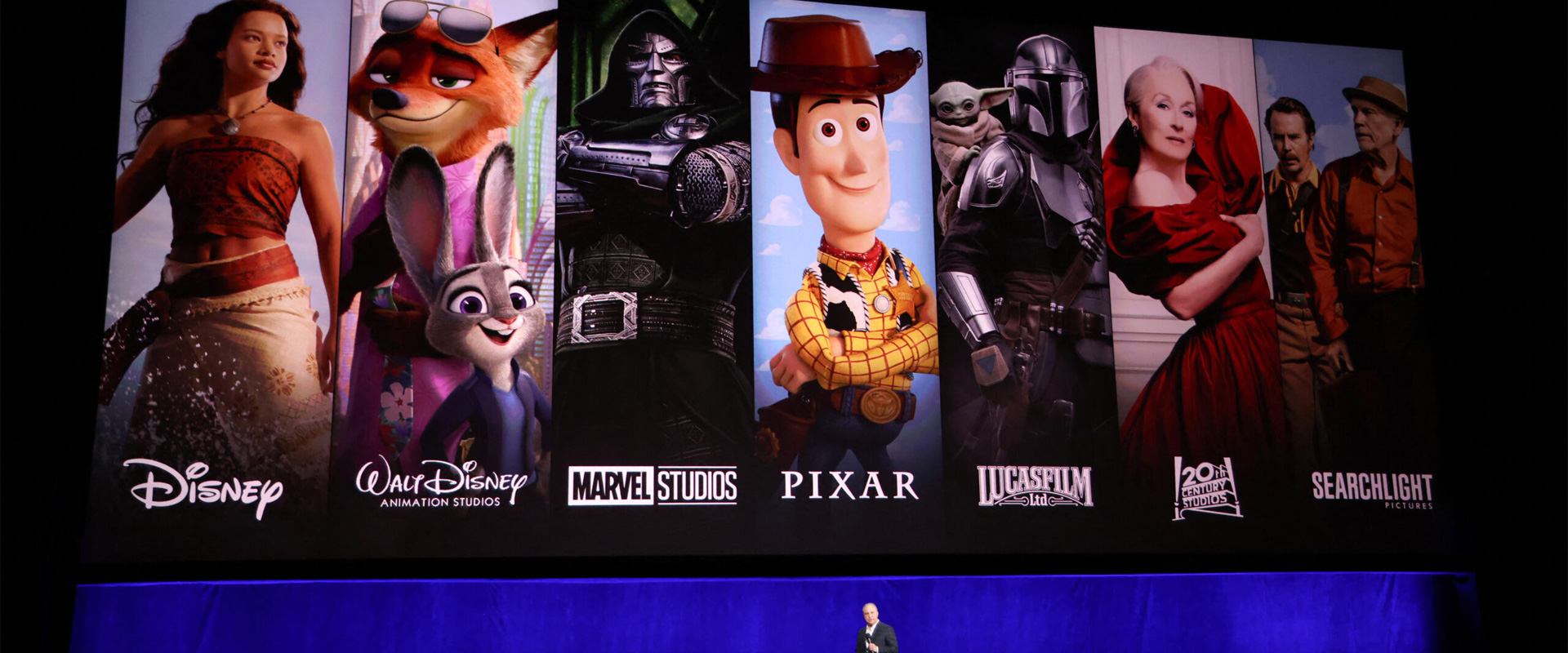
Four intense days, seven major studios on stage, dozens of screenings reserved for exhibitors. The great annual American cinema convention CinemaCon closed a few weeks ago, with a message that sounded almost like a collective mantra: theatrical cinema is not dead — far from it.
Sony set the tone from the start, with CEO Tom Rothman opening proceedings by listing three priorities for Hollywood’s health — first and foremost, longer theatrical release windows. His call found an echo in the surprise speech by David Ellison, Paramount’s CEO, who took the stage to look exhibitors directly in the eye and promise at least 30 films a year once the merger with Warner Bros. Discovery is complete — committing to 45-day windows and a move to VOD no earlier than 90 days after theatrical release. Steven Spielberg, making his first-ever appearance at the event, also came down firmly on the same side.
But the Paramount-Warner Bros. Discovery merger itself — a $110 billion transaction — was the great specter haunting the entire week. Cinema United CEO Michael O’Leary had already made the organization’s opposition to the deal clear on several occasions, and concern among exhibitors about Ellison’s real ability to sustain a slate of 30 films a year was palpable in the hallways. The situation grew more complicated on the final day, when Adam Aron, CEO of AMC Theatres — the world’s largest cinema chain — posted on X declaring his support for the merger, sparking irritation across the industry and forcing Cinema United to convene an emergency board meeting. A far from united front.
On the content side, the spectacle did not disappoint. Warner Bros. showed the first seven minutes of Dune: Part Three with director Denis Villeneuve and stars Timothée Chalamet, Zendaya and Jason Momoa in the room — one of the most anticipated moments of the week. The studio also unveiled the name of its new specialty label, Warner Bros. Clockwork, announcing Sean Baker’s Ti Amo!, the follow-up to Anora, as its first acquisition. And it revealed the cast for the new chapter of The Lord of the Rings, The Hunt for Gollum, with Jamie Dornan as Aragorn/Strider.
Universal placed its bets on Christopher Nolan and The Odyssey, showing new Trojan horse footage, while Spielberg — in a historic appearance for the director — presented Disclosure Day with Colman Domingo. Amazon MGM brought nostalgia with Spaceballs: The New One and ambition with Michael B. Jordan on stage for The Thomas Crown Affair, which he both stars in and directs. On the new James Bond, however, absolute silence on casting.
Disney closed with a flourish, presenting Avengers: Doomsday with Robert Downey Jr., Chris Evans and the Russo brothers, and debuting footage from The Devil Wears Prada 2, reuniting Meryl Streep, Anne Hathaway and Emily Blunt.
In the background, a reflection that is circulating ever more openly in the industry: Las Vegas is becoming a safer alternative to Cannes for the studios. The convention presentations, however promotional, guarantee a warm reception and no risk of lukewarm reviews derailing a campaign before it has even begun. With the Croisette festival set to see a marked absence of major American studios this year, many are wondering whether the center of gravity of film communication is slowly shifting.
What emerges is an industry that — between sequels, reboots, video game adaptations (Street Fighter, Call of Duty) and nostalgic returns (Practical Magic 2, Focker in Law) — seems determined to cover every possible audience segment. The challenge, however, remains convincing audiences to return to theaters consistently, not just occasionally. And on this point, the words of Spielberg, Ellison and Rothman sound like a pact between Hollywood and its exhibitors: cinema still has a future, but it must be built together.
Sources: Deadline, Screendaily, Vulture
Share:
 David di Donatello Awards: ‘The Last One for the Road’ Leads 71st Edition at Cinecittà
 Matteo Milleri Closes Coachella: "Anyma" Redefines the Live Concert Experience
Related Posts

Four intense days, seven major studios on stage, dozens of screenings reserved for exhibitors. The great annual American cinema convention CinemaCon closed a few weeks ago, with a message that sounded almost like a collective mantra: theatrical cinema is not dead — far from it.
Sony set the tone from the start, with CEO Tom Rothman opening proceedings by listing three priorities for Hollywood’s health — first and foremost, longer theatrical release windows. His call found an echo in the surprise speech by David Ellison, Paramount’s CEO, who took the stage to look exhibitors directly in the eye and promise at least 30 films a year once the merger with Warner Bros. Discovery is complete — committing to 45-day windows and a move to VOD no earlier than 90 days after theatrical release. Steven Spielberg, making his first-ever appearance at the event, also came down firmly on the same side.
But the Paramount-Warner Bros. Discovery merger itself — a $110 billion transaction — was the great specter haunting the entire week. Cinema United CEO Michael O’Leary had already made the organization’s opposition to the deal clear on several occasions, and concern among exhibitors about Ellison’s real ability to sustain a slate of 30 films a year was palpable in the hallways. The situation grew more complicated on the final day, when Adam Aron, CEO of AMC Theatres — the world’s largest cinema chain — posted on X declaring his support for the merger, sparking irritation across the industry and forcing Cinema United to convene an emergency board meeting. A far from united front.
On the content side, the spectacle did not disappoint. Warner Bros. showed the first seven minutes of Dune: Part Three with director Denis Villeneuve and stars Timothée Chalamet, Zendaya and Jason Momoa in the room — one of the most anticipated moments of the week. The studio also unveiled the name of its new specialty label, Warner Bros. Clockwork, announcing Sean Baker’s Ti Amo!, the follow-up to Anora, as its first acquisition. And it revealed the cast for the new chapter of The Lord of the Rings, The Hunt for Gollum, with Jamie Dornan as Aragorn/Strider.
Universal placed its bets on Christopher Nolan and The Odyssey, showing new Trojan horse footage, while Spielberg — in a historic appearance for the director — presented Disclosure Day with Colman Domingo. Amazon MGM brought nostalgia with Spaceballs: The New One and ambition with Michael B. Jordan on stage for The Thomas Crown Affair, which he both stars in and directs. On the new James Bond, however, absolute silence on casting.
Disney closed with a flourish, presenting Avengers: Doomsday with Robert Downey Jr., Chris Evans and the Russo brothers, and debuting footage from The Devil Wears Prada 2, reuniting Meryl Streep, Anne Hathaway and Emily Blunt.
In the background, a reflection that is circulating ever more openly in the industry: Las Vegas is becoming a safer alternative to Cannes for the studios. The convention presentations, however promotional, guarantee a warm reception and no risk of lukewarm reviews derailing a campaign before it has even begun. With the Croisette festival set to see a marked absence of major American studios this year, many are wondering whether the center of gravity of film communication is slowly shifting.
What emerges is an industry that — between sequels, reboots, video game adaptations (Street Fighter, Call of Duty) and nostalgic returns (Practical Magic 2, Focker in Law) — seems determined to cover every possible audience segment. The challenge, however, remains convincing audiences to return to theaters consistently, not just occasionally. And on this point, the words of Spielberg, Ellison and Rothman sound like a pact between Hollywood and its exhibitors: cinema still has a future, but it must be built together.
Sources: Deadline, Screendaily, Vulture
Share:
David di Donatello Awards: ‘The Last One for the Road’ Leads 71st Edition at CinecittàMatteo Milleri Closes Coachella: "Anyma" Redefines the Live Concert Experience