The New Four-Year Agreement Between Hollywood Writers and Studios
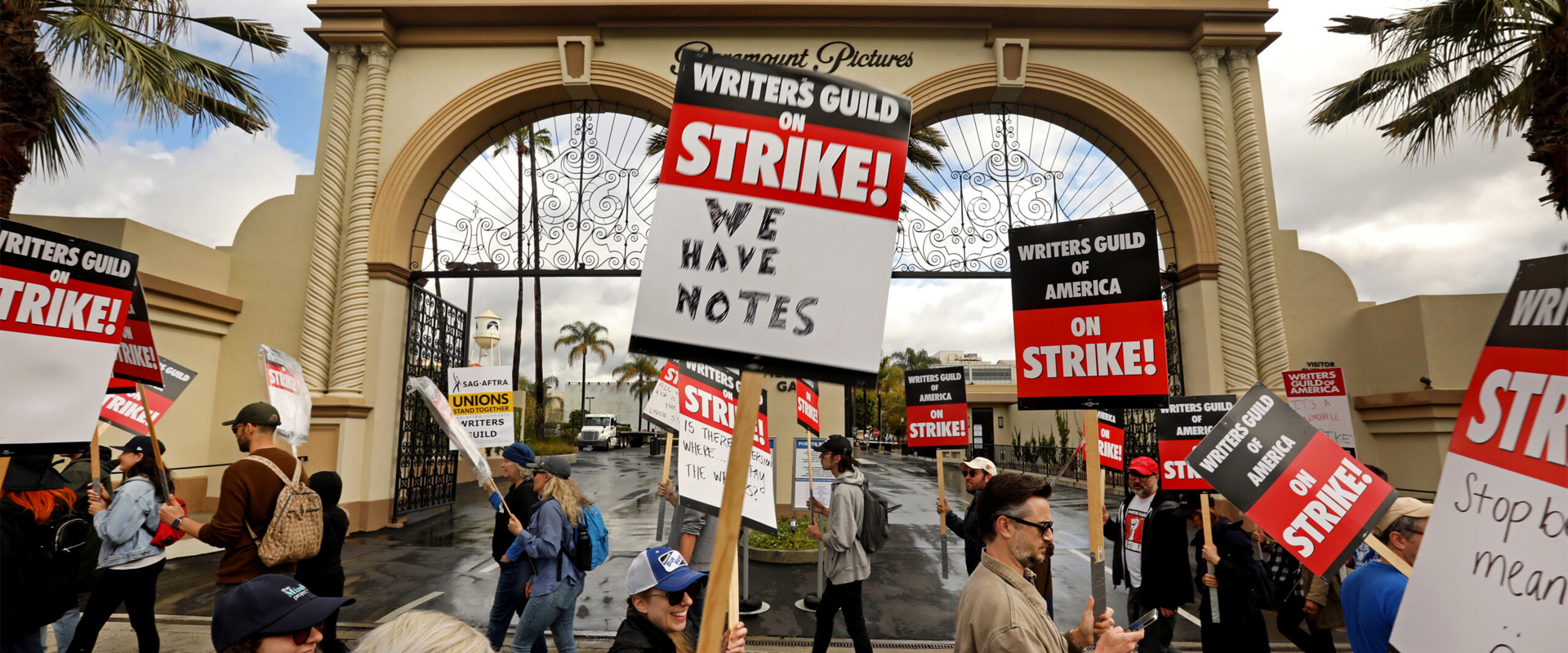
Hollywood has reached a significant labor agreement. The Writers Guild of America (WGA), the writers’ union, and the Alliance of Motion Picture and Television Producers (AMPTP), representing studios and platforms, have concluded a new four-year collective bargaining contract, running from May 2, 2026, to May 1, 2030.
Unlike previous agreements, which typically lasted three years, this deal adopts a longer time horizon — but the extended duration was not simply a choice driven by a desire for stability. It was the central concession the WGA made to secure a massive cash injection into its ailing health plan. The AMPTP had initially sought a five-year agreement; both sides settled on four. The WGA negotiating committee unanimously approved the tentative agreement, which still requires ratification by union members in a vote running April 16–24.
The most significant element of the deal is the health plan. The studios and streamers have committed to a record $321 million in contributions to the WGA health fund — an infusion made necessary after the fund ran a deficit of approximately $200 million over the past four years, worsened by the contraction in film and television production following the 2023 strikes. However, this influx comes with real costs for writers: the deal also raises monthly premiums, increases out-of-pocket expenses, and makes it significantly harder to accrue the extended coverage points that allow writers to maintain coverage during lean years. These are not minor technical adjustments — they represent meaningful concessions from the union’s membership.
On compensation, the contract introduces progressive increases in minimum rates: 1.5% in the first year, followed by 3% in each of the subsequent three years, for a cumulative increase of approximately 10.5% over the contract’s life. Streaming residuals also improve: the “success bonus” for the most-watched shows on on-demand platforms rises from 50% to 75% of the base residual, and domestic and foreign residuals for high-budget streaming projects will increase by 2.5% in 2027 and again in 2029.
Regarding artificial intelligence, the outcome is more limited than it might appear. The AMPTP agreed to continue holding regular meetings with the WGA on AI implementation and to notify the guild whenever a studio licenses writers’ work for AI training purposes. However, the studios did not agree to compensate writers for such use of their work — a key union demand that was not met. The deal does not prohibit studios from using writers’ material to train AI systems; it merely requires notification and allows for subsequent discussion.
On writers’ room staffing, the contract maintains — rather than improves — the minimums established in the 2023 agreement. The AMPTP had sought to relax those requirements to allow for limited pre-greenlight “mini rooms,” but the WGA successfully held the line, preserving the existing protections. Similarly, the deal introduces some measures to address “free work” — the practice of requiring writers to submit multiple drafts before triggering payment — though these are described as reminders to producers rather than hard new obligations.
One context that the deal’s framing tends to obscure is just how surprising and contested this agreement has been internally. The WGA, historically the most combative of Hollywood’s above-the-line unions, reached this deal in roughly three weeks of negotiations — without even holding a strike authorization vote, which is highly unusual. Some members have signaled they intend to vote against ratification, citing the healthcare concessions in particular.
Share:
 Matteo Milleri Closes Coachella: "Anyma" Redefines the Live Concert Experience
 “The Rookie”: A Contemporary Network Case Study in Gen Z Engagement
Related Posts
The New Four-Year Agreement Between Hollywood Writers and Studios
Hollywood has reached a significant labor agreement. The Writers Guild of America (WGA), the writers’ union, and the Alliance of Motion Picture and Television Producers (AMPTP), representing studios and platforms, have concluded a new four-year collective bargaining contract, running from May 2, 2026, to May 1, 2030.
Unlike previous agreements, which typically lasted three years, this deal adopts a longer time horizon — but the extended duration was not simply a choice driven by a desire for stability. It was the central concession the WGA made to secure a massive cash injection into its ailing health plan. The AMPTP had initially sought a five-year agreement; both sides settled on four. The WGA negotiating committee unanimously approved the tentative agreement, which still requires ratification by union members in a vote running April 16–24.
The most significant element of the deal is the health plan. The studios and streamers have committed to a record $321 million in contributions to the WGA health fund — an infusion made necessary after the fund ran a deficit of approximately $200 million over the past four years, worsened by the contraction in film and television production following the 2023 strikes. However, this influx comes with real costs for writers: the deal also raises monthly premiums, increases out-of-pocket expenses, and makes it significantly harder to accrue the extended coverage points that allow writers to maintain coverage during lean years. These are not minor technical adjustments — they represent meaningful concessions from the union’s membership.
On compensation, the contract introduces progressive increases in minimum rates: 1.5% in the first year, followed by 3% in each of the subsequent three years, for a cumulative increase of approximately 10.5% over the contract’s life. Streaming residuals also improve: the “success bonus” for the most-watched shows on on-demand platforms rises from 50% to 75% of the base residual, and domestic and foreign residuals for high-budget streaming projects will increase by 2.5% in 2027 and again in 2029.
Regarding artificial intelligence, the outcome is more limited than it might appear. The AMPTP agreed to continue holding regular meetings with the WGA on AI implementation and to notify the guild whenever a studio licenses writers’ work for AI training purposes. However, the studios did not agree to compensate writers for such use of their work — a key union demand that was not met. The deal does not prohibit studios from using writers’ material to train AI systems; it merely requires notification and allows for subsequent discussion.
On writers’ room staffing, the contract maintains — rather than improves — the minimums established in the 2023 agreement. The AMPTP had sought to relax those requirements to allow for limited pre-greenlight “mini rooms,” but the WGA successfully held the line, preserving the existing protections. Similarly, the deal introduces some measures to address “free work” — the practice of requiring writers to submit multiple drafts before triggering payment — though these are described as reminders to producers rather than hard new obligations.
One context that the deal’s framing tends to obscure is just how surprising and contested this agreement has been internally. The WGA, historically the most combative of Hollywood’s above-the-line unions, reached this deal in roughly three weeks of negotiations — without even holding a strike authorization vote, which is highly unusual. Some members have signaled they intend to vote against ratification, citing the healthcare concessions in particular.
Share:
Matteo Milleri Closes Coachella: "Anyma" Redefines the Live Concert Experience“The Rookie”: A Contemporary Network Case Study in Gen Z Engagement