
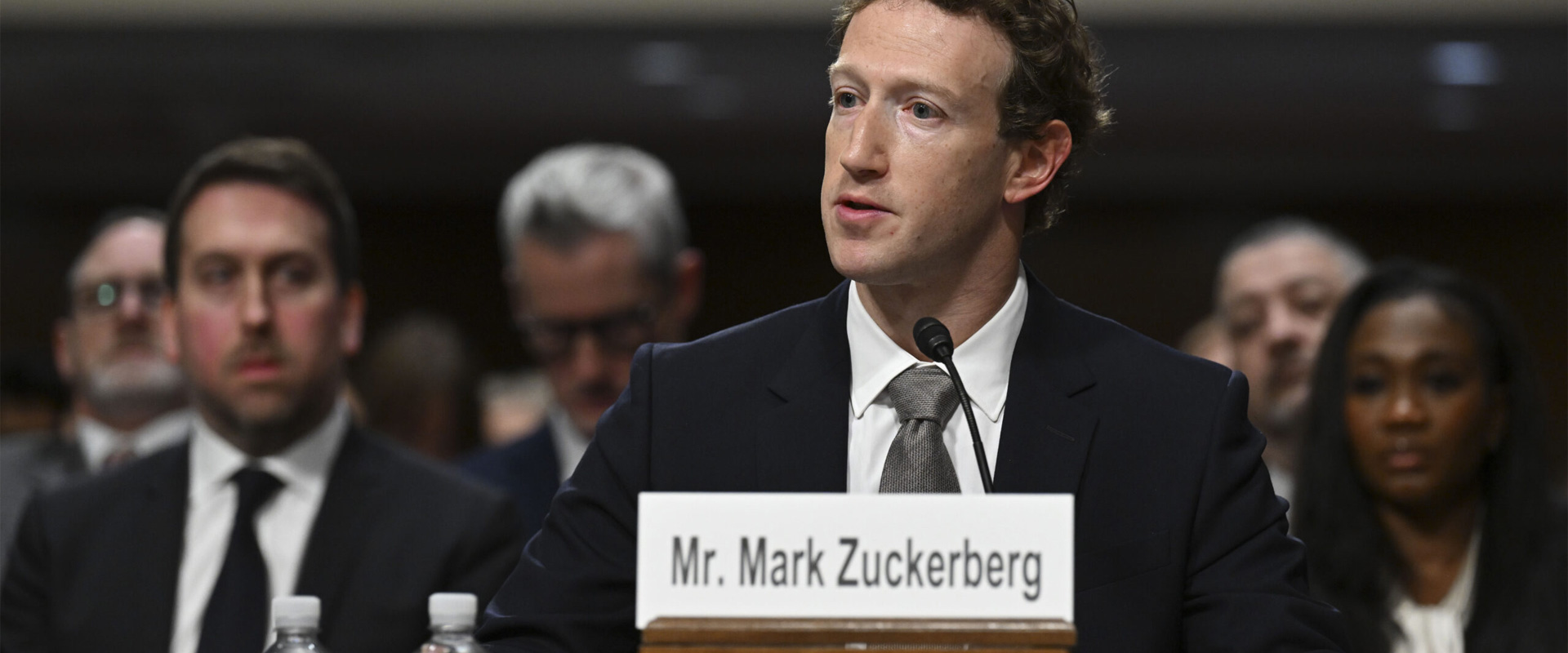
Meta Reaches Landmark Settlement Over Teen Safety, Setting a Potential New Standard for Social Platforms
Meta has reached an agreement with a bipartisan coalition of U.S. attorneys general to resolve one of the most consequential legal disputes over child and teen safety on social media. Approved by a federal judge on August 27, the settlement provides for payments of up to approximately $18 billion over ten years and, more significantly, substantial changes to how Instagram and Facebook operate for minors. Meta did not admit wrongdoing.
The lawsuits alleged, among other claims, that Meta designed features that encouraged compulsive use among children and teens, exposed young users to potential mental health harms, and misled the public about the safety of its services. The litigation had gone to trial in California on August 18 before the parties reached the agreement.
For Meta, the impact extends well beyond the financial payment. Users under 18 will face a default two-hour combined daily limit across Facebook and Instagram that teens can only turn off with parental permission. Access to Feed, Stories, Explore and Reels will be blocked between midnight and 6 a.m., while notifications will be muted during school hours, from 8 a.m. to 3 p.m. The agreement also introduces regular usage prompts, expanded parental controls, the option to make a non-algorithmic feed the default, restrictions on extreme cosmetic filters, and stronger age-assurance systems designed to identify minors. An independent auditor will oversee Meta’s compliance.
Of particular significance for the broader digital industry is the settlement’s financial structure. Approximately $12.7 billion is scheduled to be paid over the decade, while an additional roughly $5.3 billion is contingent on YouTube and TikTok adopting comparable protections and meeting specified financial commitments. Meta has publicly called on both competitors to join the framework.
That provision could turn a legal settlement involving a single company into something much broader. In a U.S. market that still lacks a uniform federal framework governing online child safety, the agreement could help establish new industry standards around engagement, recommendation systems, age assurance and parental controls. For platforms and media companies, protecting younger audiences is therefore becoming more than a compliance issue: it is increasingly a structural consideration in digital product design.
Sources: Variety, Meta Newsroom, California Department of Justice – Office of the Attorney General
Share:
 Creative Arts Emmys 2026: “Widow’s Bay” Leads with Eight Wins, Italian Talent Among the Honorees
 Martin Scorsese Named Honorary President of the Accademia del Cinema Italiano- David di Donatello Awards
Related Posts


Meta Reaches Landmark Settlement Over Teen Safety, Setting a Potential New Standard for Social Platforms
Meta has reached an agreement with a bipartisan coalition of U.S. attorneys general to resolve one of the most consequential legal disputes over child and teen safety on social media. Approved by a federal judge on August 27, the settlement provides for payments of up to approximately $18 billion over ten years and, more significantly, substantial changes to how Instagram and Facebook operate for minors. Meta did not admit wrongdoing.
The lawsuits alleged, among other claims, that Meta designed features that encouraged compulsive use among children and teens, exposed young users to potential mental health harms, and misled the public about the safety of its services. The litigation had gone to trial in California on August 18 before the parties reached the agreement.
For Meta, the impact extends well beyond the financial payment. Users under 18 will face a default two-hour combined daily limit across Facebook and Instagram that teens can only turn off with parental permission. Access to Feed, Stories, Explore and Reels will be blocked between midnight and 6 a.m., while notifications will be muted during school hours, from 8 a.m. to 3 p.m. The agreement also introduces regular usage prompts, expanded parental controls, the option to make a non-algorithmic feed the default, restrictions on extreme cosmetic filters, and stronger age-assurance systems designed to identify minors. An independent auditor will oversee Meta’s compliance.
Of particular significance for the broader digital industry is the settlement’s financial structure. Approximately $12.7 billion is scheduled to be paid over the decade, while an additional roughly $5.3 billion is contingent on YouTube and TikTok adopting comparable protections and meeting specified financial commitments. Meta has publicly called on both competitors to join the framework.
That provision could turn a legal settlement involving a single company into something much broader. In a U.S. market that still lacks a uniform federal framework governing online child safety, the agreement could help establish new industry standards around engagement, recommendation systems, age assurance and parental controls. For platforms and media companies, protecting younger audiences is therefore becoming more than a compliance issue: it is increasingly a structural consideration in digital product design.
Sources: Variety, Meta Newsroom, California Department of Justice – Office of the Attorney General
Share:
Creative Arts Emmys 2026: “Widow’s Bay” Leads with Eight Wins, Italian Talent Among the HonoreesMartin Scorsese Named Honorary President of the Accademia del Cinema Italiano- David di Donatello Awards