

Hollywood’s Big Bet on Video Game IP Meets a Shaken Games Industry
Hollywood is betting heavily on video game IP at the very moment the industry that creates those games is weathering intense turbulence, marked by layoffs, restructurings and consolidation. The result is a paradox that is reshaping licensing strategies and the relationship between publishers and audiovisual producers.
In recent months, Microsoft’s Xbox division has announced the reduction of roughly 3,200 positions – around 20% of its gaming workforce – and the spin-off of four studios, in what CEO Asha Sharma has described as the most significant “reset” in the division’s history. This sits within a wider pattern: since closing its acquisition of Activision Blizzard, Microsoft has executed recurring cuts across its gaming operations, while other players such as Epic have also downsized aggressively. Analysts estimate that, since 2022, the industry has shed tens of thousands of jobs overall, with consequences that extend well beyond individual studios and ripple across the entire value chain.
On the content side, however, the same IP has never been stronger. The Super Mario Galaxy Movie became the first film of 2026 to cross the 1 billion dollar box office mark on a budget of around 110 million, while A Minecraft Movie reached approximately 960 million in 2025. Titles such as Five Nights at Freddy’s and the Fallout series have demonstrated the extraordinary return potential of video game adaptations both in theaters and on streaming platforms, while also driving a meaningful uplift in sales of the underlying games. It is a major shift from what for years was known as the “video game movie curse” – the near-structural tendency of game-based films and series to disappoint creatively and commercially.
In this contradictory landscape, major studios and independents alike are moving more decisively. The agreement between Universal Pictures and Atari to develop film adaptations based on ten classic game properties – from Asteroids to Missile Command – signals a strategy built around recognizable catalogues that can be exploited as franchises over time. In parallel, the sale of film and TV rights to indie horror title Tormented Souls underscores the growing appetite for niche projects that can be acquired with less corporate “red tape” and greater deal flexibility.
Deal structures are evolving to reflect the new centrality of games in the IP market. Specialist analyses point to option fees for top-tier franchises now starting in the 250,000–500,000 dollar range for 12–24 month exclusive windows, with purchase prices pegged to production budgets (typically 2–4%) and increasingly sophisticated participation in back-end, sequel rights and merchandising. Major global streaming platforms generally seek worldwide rights in perpetuity, combined with heightened scrutiny of the chain of title, the use of artificial intelligence in underlying materials and regulatory compliance across key territories.
Many industry executives believe that the current phase of chaos in gaming may ultimately act as an accelerant for Hollywood. Publishers under financial pressure appear more open to exploring new monetization lines for their IP, while studios returning to independence – including some exiting the Xbox orbit – retain control of their catalogues and can negotiate directly with producers and platforms. The net effect is a richer and faster pipeline of adaptations, in which video games are consolidating their role as a primary source of worlds and narratives, and the intersection between the games business and the screen industries is becoming a structural feature of the global trade entertainment ecosystem.
Source: The Wrap
Share:
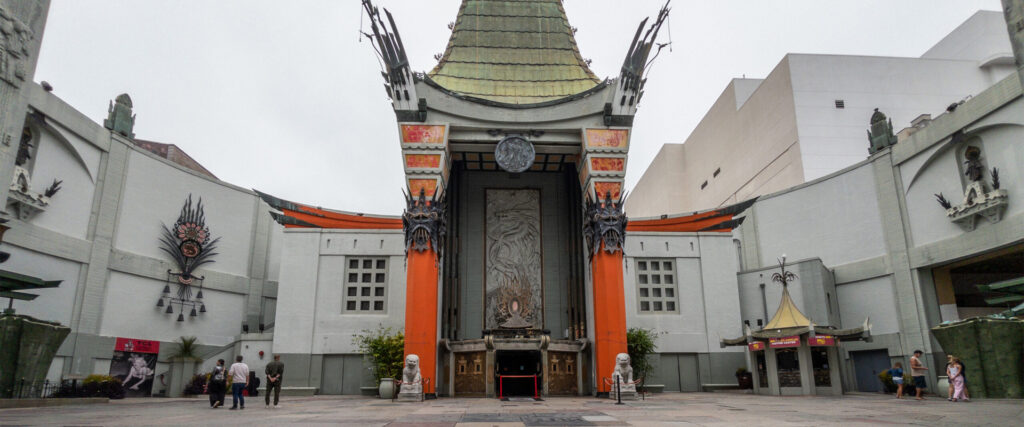 Italian Talent Takes Center Stage This Festival Season: From Los Angeles to Venice and Toronto
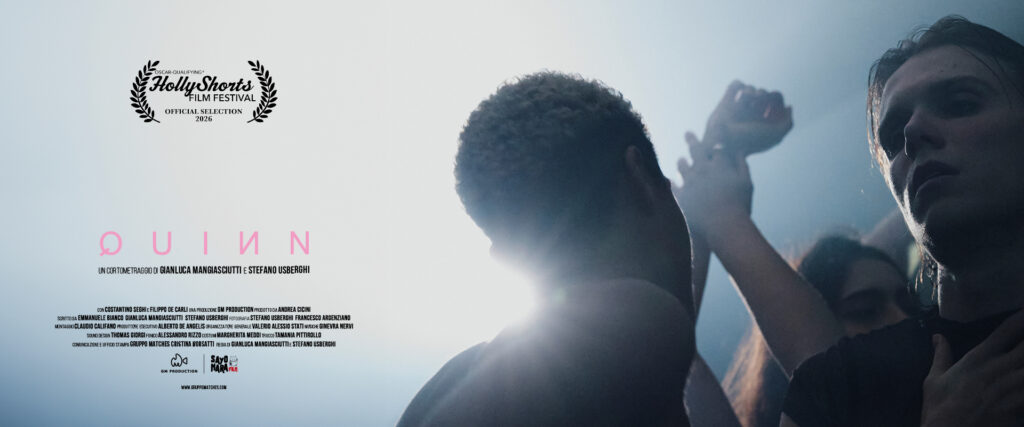 "Quinn" at HollyShorts: the Italian short film competes at the HollyShorts Film Festival
Related Posts


Hollywood’s Big Bet on Video Game IP Meets a Shaken Games Industry
Hollywood is betting heavily on video game IP at the very moment the industry that creates those games is weathering intense turbulence, marked by layoffs, restructurings and consolidation. The result is a paradox that is reshaping licensing strategies and the relationship between publishers and audiovisual producers.
In recent months, Microsoft’s Xbox division has announced the reduction of roughly 3,200 positions – around 20% of its gaming workforce – and the spin-off of four studios, in what CEO Asha Sharma has described as the most significant “reset” in the division’s history. This sits within a wider pattern: since closing its acquisition of Activision Blizzard, Microsoft has executed recurring cuts across its gaming operations, while other players such as Epic have also downsized aggressively. Analysts estimate that, since 2022, the industry has shed tens of thousands of jobs overall, with consequences that extend well beyond individual studios and ripple across the entire value chain.
On the content side, however, the same IP has never been stronger. The Super Mario Galaxy Movie became the first film of 2026 to cross the 1 billion dollar box office mark on a budget of around 110 million, while A Minecraft Movie reached approximately 960 million in 2025. Titles such as Five Nights at Freddy’s and the Fallout series have demonstrated the extraordinary return potential of video game adaptations both in theaters and on streaming platforms, while also driving a meaningful uplift in sales of the underlying games. It is a major shift from what for years was known as the “video game movie curse” – the near-structural tendency of game-based films and series to disappoint creatively and commercially.
In this contradictory landscape, major studios and independents alike are moving more decisively. The agreement between Universal Pictures and Atari to develop film adaptations based on ten classic game properties – from Asteroids to Missile Command – signals a strategy built around recognizable catalogues that can be exploited as franchises over time. In parallel, the sale of film and TV rights to indie horror title Tormented Souls underscores the growing appetite for niche projects that can be acquired with less corporate “red tape” and greater deal flexibility.
Deal structures are evolving to reflect the new centrality of games in the IP market. Specialist analyses point to option fees for top-tier franchises now starting in the 250,000–500,000 dollar range for 12–24 month exclusive windows, with purchase prices pegged to production budgets (typically 2–4%) and increasingly sophisticated participation in back-end, sequel rights and merchandising. Major global streaming platforms generally seek worldwide rights in perpetuity, combined with heightened scrutiny of the chain of title, the use of artificial intelligence in underlying materials and regulatory compliance across key territories.
Many industry executives believe that the current phase of chaos in gaming may ultimately act as an accelerant for Hollywood. Publishers under financial pressure appear more open to exploring new monetization lines for their IP, while studios returning to independence – including some exiting the Xbox orbit – retain control of their catalogues and can negotiate directly with producers and platforms. The net effect is a richer and faster pipeline of adaptations, in which video games are consolidating their role as a primary source of worlds and narratives, and the intersection between the games business and the screen industries is becoming a structural feature of the global trade entertainment ecosystem.
Source: The Wrap
Share:
Italian Talent Takes Center Stage This Festival Season: From Los Angeles to Venice and Toronto"Quinn" at HollyShorts: the Italian short film competes at the HollyShorts Film Festival