“Produced By” Conference 2026 – The Future of Cinema Between Independence and the Studios
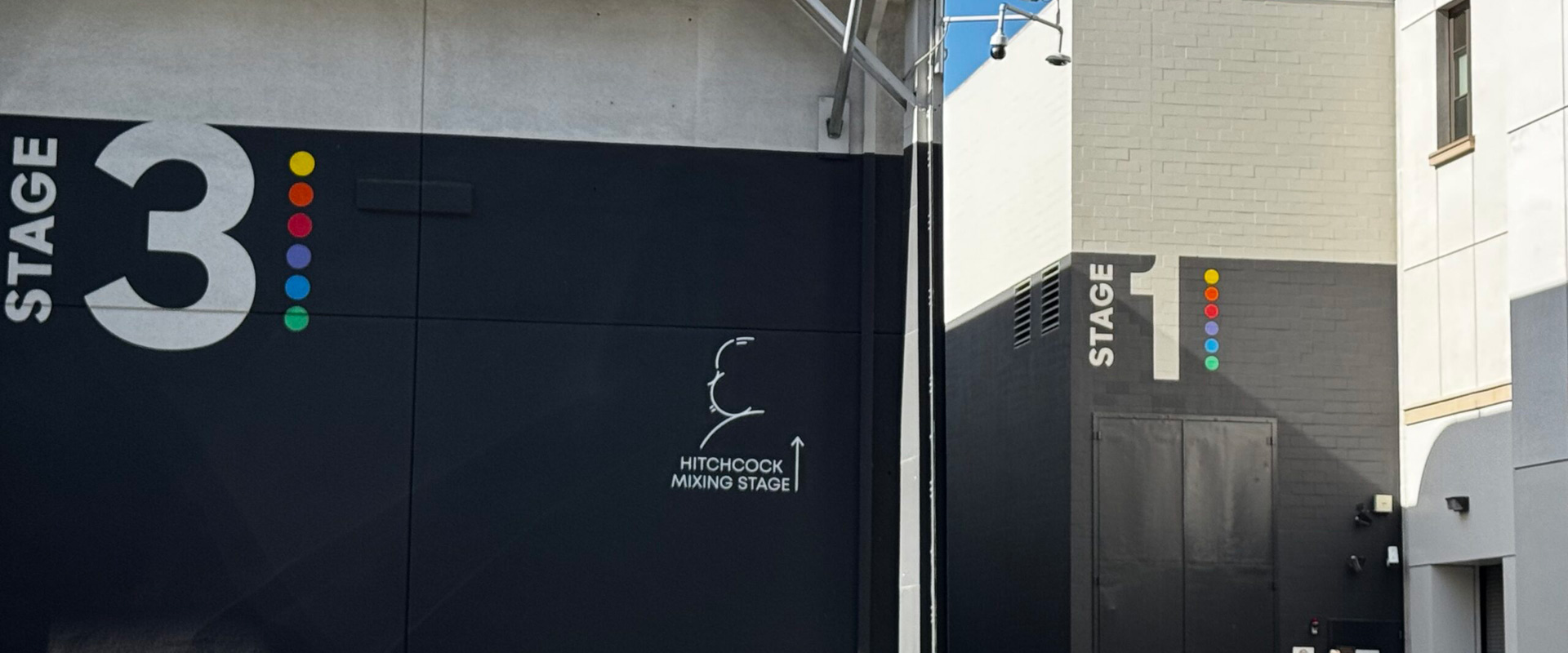
The “Produced By” Conference is the annual gathering organized by the Producers Guild of America, held this year on the Universal Studios Lot in Los Angeles, a facility running entirely on renewable energy. A full day of panels, networking, and conversations among the leading voices of the American film and television industry. Among those in attendance was the Italian Trade Agency, which closely followed two of the most significant sessions of the conference: the fireside chats with Tom Quinn, CEO and Founder of NEON, and with Michael De Luca, Co-Chair and CEO of Warner Bros. Motion Picture Group.
Tom Quinn opened by reflecting on NEON’s relationship with Cannes, where the company has now claimed its seventh consecutive Palme d’Or, a track record built over time through acquisitions like Lars von Trier’s Melancholia and titles such as Secrets and Lies and Breaking the Waves. Quinn is emphatic about not interfering with festival juries, a matter of professional integrity that speaks to his broader approach to the business. NEON doesn’t operate by formula: every decision is driven by artistic merit and cultural relevance, across a catalog of over 400 titles from every corner of the world, Europe, Asia, and emerging markets like Nigeria. The story of Bong Joon Ho’s Parasite is telling: acquired at the screenplay stage, in a fiercely competitive market. The same commitment applies to filmmakers like Julia Ducournau, whom NEON has supported from the earliest stages of her career. On studio consolidation, Quinn is blunt: it breeds bureaucracy and slows everything down. NEON operates differently: ideas move fast from pitch to execution, as shown by the marketing campaign for I Love Boosters, which included free gas giveaways across Los Angeles, designed to build a cultural conversation around the film. Quinn closed by speaking about his commitment to filmmakers facing difficult circumstances, such as Jafar Panahi, and about the concrete value that a Palme d’Or or an Oscar nomination carries in bringing films to wider audiences.
Michael De Luca offered a complementary, if different, perspective. His through line is singular: talent is the only real IP. Batman is not IP on its own, it becomes IP when it meets the right artist. Barbie was Greta Gerwig. Predator right now is Dan Trachtenberg. It’s a bold stance for someone running a major studio, and one shaped by decades of experience, from New Line, where he became head of production at 27 launching Se7en and Boogie Nights, to a record-breaking 2025 at Warner Bros.: eleven Oscars won in a single night, $4 billion at the global box office, nine films opening at number one. De Luca pushes back against the overuse of the word “franchise” and offers a clear warning: every time the major studios stop investing in original material and new voices, they clear the lane for A24, Neon, and the independents. The only answer is to keep taking swings — an eclectic slate built on different labels, different missions, different people. And on the YouTube creator generation, De Luca echoes Quinn’s enthusiasm: these are filmmakers who know their audiences better than anyone, and they are reshaping cinema from the ground up.
Share:
 The Indie Horror Surge: What the 2026 Box Office Numbers Tell Us
 Mike Hopkins, Head of Prime Video & Amazon MGM Studios: 'Prime Video Is Profitable. And About James Bond…”
Related Posts
“Produced By” Conference 2026 – The Future of Cinema Between Independence and the Studios
The “Produced By” Conference is the annual gathering organized by the Producers Guild of America, held this year on the Universal Studios Lot in Los Angeles, a facility running entirely on renewable energy. A full day of panels, networking, and conversations among the leading voices of the American film and television industry. Among those in attendance was the Italian Trade Agency, which closely followed two of the most significant sessions of the conference: the fireside chats with Tom Quinn, CEO and Founder of NEON, and with Michael De Luca, Co-Chair and CEO of Warner Bros. Motion Picture Group.
Tom Quinn opened by reflecting on NEON’s relationship with Cannes, where the company has now claimed its seventh consecutive Palme d’Or, a track record built over time through acquisitions like Lars von Trier’s Melancholia and titles such as Secrets and Lies and Breaking the Waves. Quinn is emphatic about not interfering with festival juries, a matter of professional integrity that speaks to his broader approach to the business. NEON doesn’t operate by formula: every decision is driven by artistic merit and cultural relevance, across a catalog of over 400 titles from every corner of the world, Europe, Asia, and emerging markets like Nigeria. The story of Bong Joon Ho’s Parasite is telling: acquired at the screenplay stage, in a fiercely competitive market. The same commitment applies to filmmakers like Julia Ducournau, whom NEON has supported from the earliest stages of her career. On studio consolidation, Quinn is blunt: it breeds bureaucracy and slows everything down. NEON operates differently: ideas move fast from pitch to execution, as shown by the marketing campaign for I Love Boosters, which included free gas giveaways across Los Angeles, designed to build a cultural conversation around the film. Quinn closed by speaking about his commitment to filmmakers facing difficult circumstances, such as Jafar Panahi, and about the concrete value that a Palme d’Or or an Oscar nomination carries in bringing films to wider audiences.
Michael De Luca offered a complementary, if different, perspective. His through line is singular: talent is the only real IP. Batman is not IP on its own, it becomes IP when it meets the right artist. Barbie was Greta Gerwig. Predator right now is Dan Trachtenberg. It’s a bold stance for someone running a major studio, and one shaped by decades of experience, from New Line, where he became head of production at 27 launching Se7en and Boogie Nights, to a record-breaking 2025 at Warner Bros.: eleven Oscars won in a single night, $4 billion at the global box office, nine films opening at number one. De Luca pushes back against the overuse of the word “franchise” and offers a clear warning: every time the major studios stop investing in original material and new voices, they clear the lane for A24, Neon, and the independents. The only answer is to keep taking swings — an eclectic slate built on different labels, different missions, different people. And on the YouTube creator generation, De Luca echoes Quinn’s enthusiasm: these are filmmakers who know their audiences better than anyone, and they are reshaping cinema from the ground up.
Share:
The Indie Horror Surge: What the 2026 Box Office Numbers Tell UsMike Hopkins, Head of Prime Video & Amazon MGM Studios: 'Prime Video Is Profitable. And About James Bond…”