
The Vertical Drama Boom Begins to Attract Hollywood Talent
Over recent months, the “vertical drama” segment — scripted series designed exclusively for smartphones and consumed in vertical format — has been attracting growing attention within the U.S. audiovisual industry. Born in Asia, particularly in China, where dedicated micro-drama platforms have generated billions of views and new monetization models, the format is now entering the radar of Hollywood and the American creator economy.
What distinguishes this content is a specific production grammar: extremely short episodes, often between one and three minutes, a strong cliffhanger component, contained costs, accelerated workflows, and distribution designed for mobile-first platforms such as TikTok, ReelShort, DramaBox, and other emerging short-form entertainment services. For many industry players, vertical storytelling represents not merely a social trend, but a potential new industrial segment capable of reaching Gen Z audiences and users who are increasingly detached from traditional television consumption.
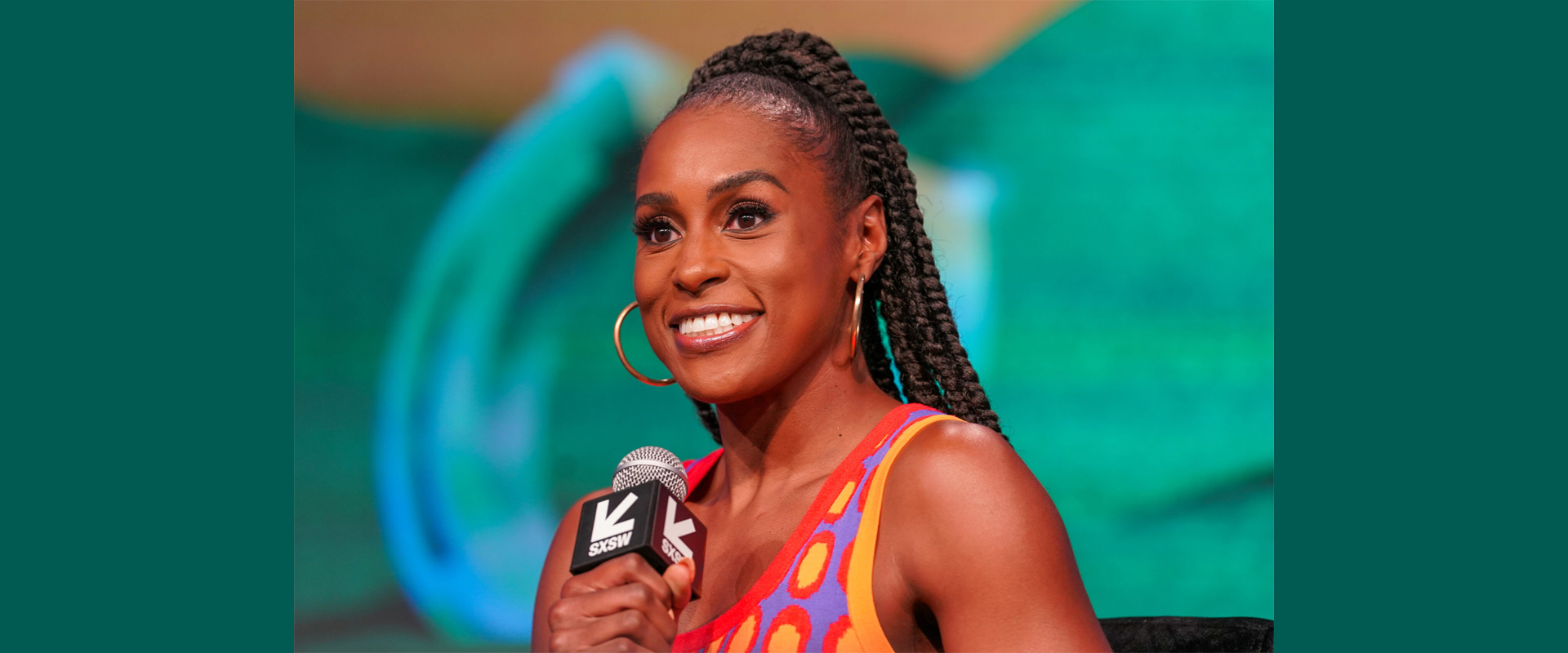
Among the names associated with this evolution is Issa Rae — actress, writer, and producer who rose to fame through the HBO series Insecure, which she created and starred in. Through her company Hoorae Media, Rae has built a significant presence in the creator-driven production space and in content aimed at new digital audiences. Meanwhile, Kevin Hart — one of the most influential comedians and producers in the U.S. market, known for franchises such as Jumanji and for his company Hartbeat — is also increasingly linked to Hollywood’s growing interest in micro-dramas and premium short-form content.
While not all projects have yet been formalized through official announcements in the major Hollywood trade publications, the involvement of talent and media companies of this caliber signals that the vertical format is now being viewed as a potential area of strategic development. The topic is of particular interest to independent producers, digital studios, and platforms in search of scalable IP, leaner production models, and new forms of advertising engagement.
For an insider’s take on how vertical dramas are being produced, check out Italy Meets Hollywood’s interview with producer Roberta Sparta.
Share:
 The Academy Rewrites the Rules of the International Oscar Race
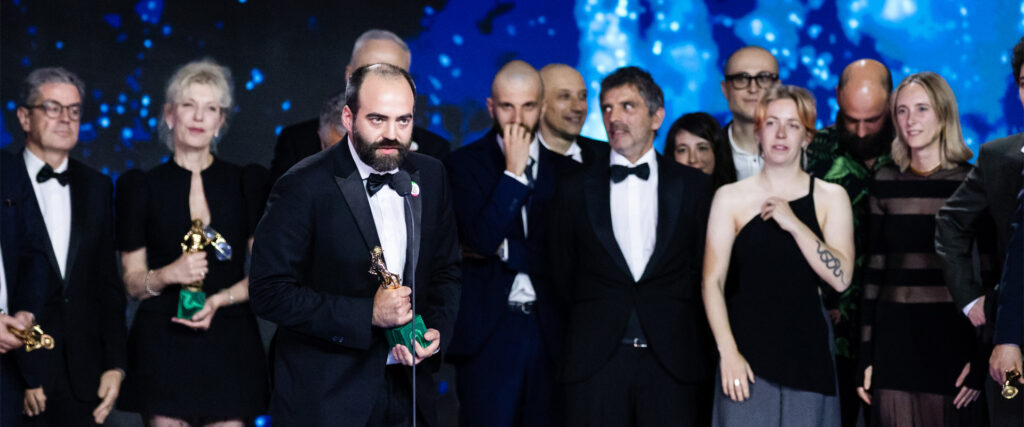 David di Donatello Awards: ‘The Last One for the Road’ Leads 71st Edition at Cinecittà
Related Posts
The Vertical Drama Boom Begins to Attract Hollywood Talent
Over recent months, the “vertical drama” segment — scripted series designed exclusively for smartphones and consumed in vertical format — has been attracting growing attention within the U.S. audiovisual industry. Born in Asia, particularly in China, where dedicated micro-drama platforms have generated billions of views and new monetization models, the format is now entering the radar of Hollywood and the American creator economy.
What distinguishes this content is a specific production grammar: extremely short episodes, often between one and three minutes, a strong cliffhanger component, contained costs, accelerated workflows, and distribution designed for mobile-first platforms such as TikTok, ReelShort, DramaBox, and other emerging short-form entertainment services. For many industry players, vertical storytelling represents not merely a social trend, but a potential new industrial segment capable of reaching Gen Z audiences and users who are increasingly detached from traditional television consumption.
Among the names associated with this evolution is Issa Rae — actress, writer, and producer who rose to fame through the HBO series Insecure, which she created and starred in. Through her company Hoorae Media, Rae has built a significant presence in the creator-driven production space and in content aimed at new digital audiences. Meanwhile, Kevin Hart — one of the most influential comedians and producers in the U.S. market, known for franchises such as Jumanji and for his company Hartbeat — is also increasingly linked to Hollywood’s growing interest in micro-dramas and premium short-form content.
While not all projects have yet been formalized through official announcements in the major Hollywood trade publications, the involvement of talent and media companies of this caliber signals that the vertical format is now being viewed as a potential area of strategic development. The topic is of particular interest to independent producers, digital studios, and platforms in search of scalable IP, leaner production models, and new forms of advertising engagement.
For an insider’s take on how vertical dramas are being produced, check out Italy Meets Hollywood’s interview with producer Roberta Sparta.
Share:
The Academy Rewrites the Rules of the International Oscar RaceDavid di Donatello Awards: ‘The Last One for the Road’ Leads 71st Edition at Cinecittà